
Post Format: Audio (Mixcloud)

Immacolato Giuseppe di Gesù

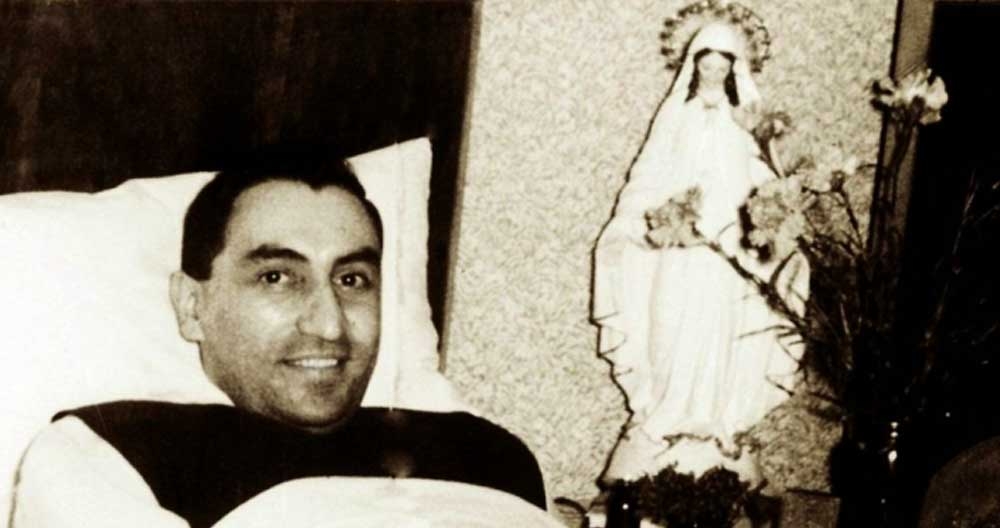
The Venerable Servant of God Immaculato Joseph of Jesus (Aldo Brienza) was born on  August 15, 1922, in Campobasso (Italy). At the age of sixteen, while attending the Higher Technical Institute, he began to feel intense pain accompanied by very high fever. He was diagnosed with osteomyelitis which began deforming his limbs, forcing him to remain bedridden until death.

On March 25, 1943, he entered the Secular Order of Carmel, offering himself as a victim for the sanctification of priests. Since his feeling of having a Carmelite vocation was so strong, the Holy See, on March the 2nd, 1948, granted him the special privilege of making solemn profession of religious vows in the Discalced Carmelite Order, which took place on May 11, 1948.

Living with his family, he constantly received visits from fellow Secular Carmelites and the faithful, many of whom sought spiritual advice. He lived an extraordinary apostolate, carried out entirely from bed, in prayer and in the constant offering of sufferings to the Lord. In addition, he maintained correspondence with many brothers and sisters of the Carmelite Order. To everyone he repeated his spiritual motto: «Working is good, praying even better, but suffering in union with Jesus is everything».

He died in Campobasso (Italy) on April 13, 1989, at the age of 67.

The Venerable Servant of God carried out an intense apostolate from the bed of his house. Not being in a position to move, he received people in need of guidance in their spiritual journey. His teachings were very solid. His strength was prayer. As a good Carmelite, he made prayer the strong point of his life. His is a Eucharistic and Marian spirituality, also accompanied by what he had learnt from the experience of the saints, especially the Carmelite saints.

He experienced the phases of aridity described by St. John of the Cross, always maintaining his abandonment to God.

He was a person of hope because he entrusted himself to the Lord in every circumstance, especially in the most arduous trials. He lived his illness always trusting in God, striving towards eternal life with determination.

He loved God and neighbour above all other realities and, with the impression that he was not trying hard enough, he tried to improve himself tirelessly.

The offering of his pain to God on behalf of his brethren represented the central element of his charity towards his neighbour. He offered himself as a victim for priests and for those in every kind of need, realizing his self-giving in an ever increasingly full way. He supported the missions of the Church and Carmel with money received from the family, revealing a splendid passion for the apostolic activities of the Christian community. 

The decree proclaiming his heroic virtues was promulgated on the 18th of February, 2022.
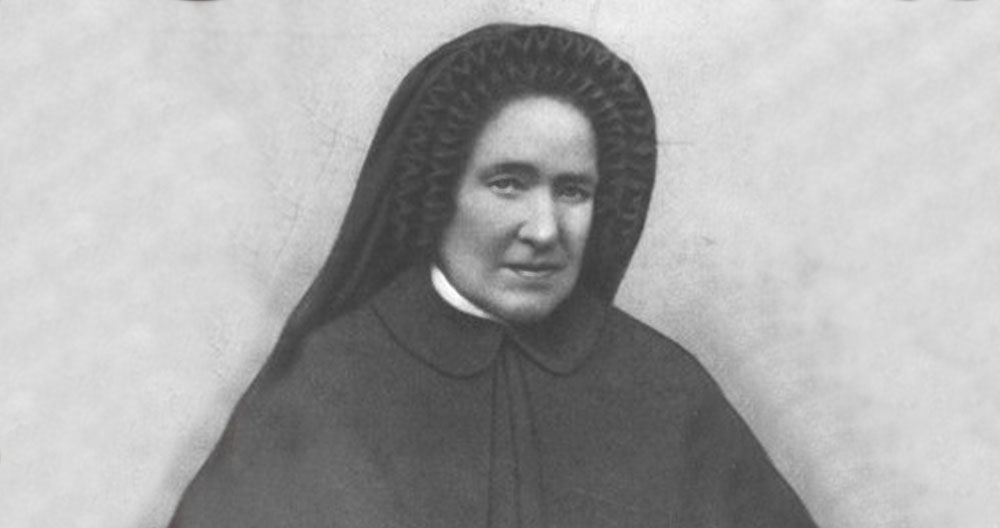

Saturnina del Cuore Agonizzante di Gesù

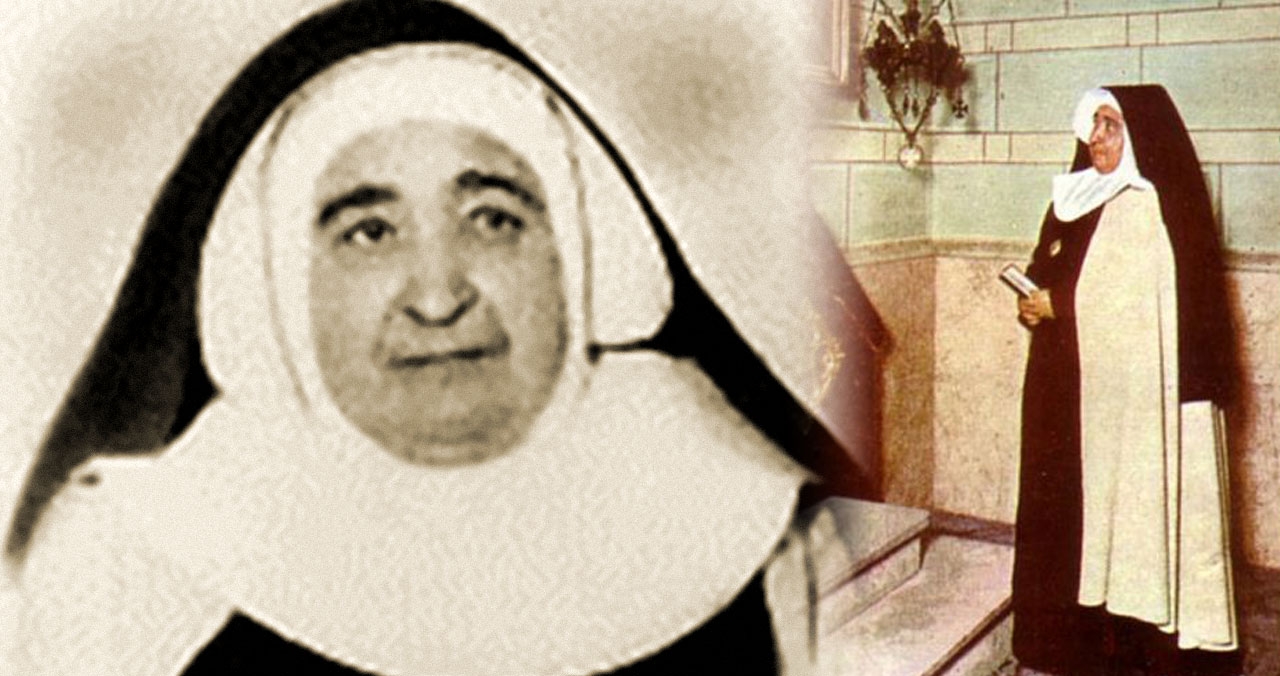
Saturnina Jassá y Fontcuberta was born in Spain on March 3, 1851 in Calaceite, an Aragonese municipality then belonging to the diocese of Tortosa in the province of Teruel. After a normal childhood and youth, Saturnina, a very religious girl, in 1874, at twenty-three, entered the Archconfraternity of Santa Teresa where she met Father Enrico de Ossó y Cervelló. Three years later, on May 4, 1877, she entered the "Company of St. Teresa of Jesus", a religious congregation  founded by Father Enrique.

In the same year she was sent to represent her congregation on the Teresian pilgrimage to Avila and Alba de Tormes. She obtained the title of elementary teacher and in the following year that of high school teacher. On January the 1st, 1879, she pronounced her religious vows in the hands of the founder and took the name of Saturnina of the Agonizing Heart of Jesus. On the 12th of October 1879, she was appointed Superior and Mistress of Novices in the Tortosa community. After all the religious of the congregation made their perpetual profession, Sister Saturnina was elected Superior General of the congregation. After her seven years as superior, in 1889 she was assigned to Mexico to found the various houses of the congregation and where she was a teacher in Puebla and in 1893 Superior in Chilapa. Moreover, in Mexico, for three years she was entrusted with the direction of the nascent congregation of the Religious of the Cross of the Sacred Heart..

In the new congregation she had the opportunity to witness to her great gifts and virtues through immense sacrifices. In 1900 she returned to the Company of Santa Teresa and was immediately appointed Superior of the Valencia house. In 1904 she became Provincial in charge of the Sacred Heart Province and in 1906 Superior of Ciudad Rodrigo community. Re-elected Superior General in 1908, she remained in that role for twelve years, proving to be a nun with a strong personality, who knew how to guide the Institute in absolute fidelity to the intentions of the founder. In 1920, she was appointed General Councillor of the Congregation, in that year she retired to the novitiate of Jesus (Tortosa).

She died in the odour of sanctity on October 13, 1936, in Tortosa.

The decree of heroic virtues was promulgated on March 3, 1990, and she was declared Venerable. 


Colomba di Gesù Ostia

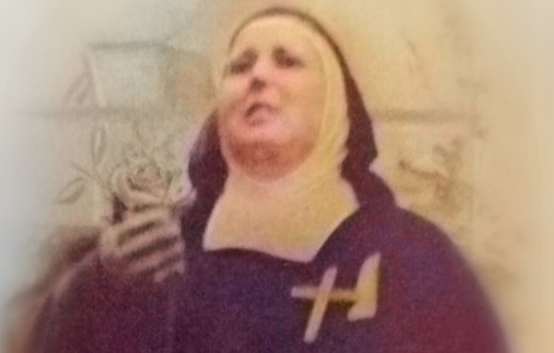
The Servant of God, Colomba of Jesus in the Host (Anna Antonietta Mezzacapo) was born in Marcianise (Caserta, Italy) on June 15, 1914. Raised in a Christian family environment and taking part in parish life, she began her spiritual life journey of under the guidance of the parish priest and, at the same time, after elementary school, she made herself available to help her parents with household chores and in their hardware and food stores. In 1932, she entered the cloistered monastery of the Discalced Carmelite nuns of Marcianise where, in the following years, two of her sisters followed her.

The Servant of God made her first profession on the 6th of June 1934 and her solemn profession on the 24th of November 1938. Appointed Mistress of Novices in 1945, she was elected Prioress in 1951 and confirmed for another four successive three-year terms. In this period she dedicated herself to the spiritual formation of the sisters and to carrying out renovations of the monastery.

In 1961, due to relational problems between a novice and some sisters, the Holy See proceeded to an apostolic visitation, made in 1962 by Fr. Agostino Rosati, O.S.S.T., and ended with the recognition of the full innocence of the Servant of God, who was confirmed in her office as Prioress. In 1965, another canonical visit was made by the Archbishop of Capua, Monsignor Tommaso Leonetti, caused by new accusations by some sisters. In all these trials, Mother Columba remained serene, with the ability to forgive everyone. The Servant of God continued to serve the community with great humility, carrying out her apostolate in the parlour.

In 1968 she was elected Prioress again but, falling ill at the end of the same year, she underwent a delicate surgical operation in January 1969.

She died in Marcianise (Italy) on August 13, 1969.

The decree on her heroic virtue was promulgated on May 22, 2021.


Rosa di San Giuseppe

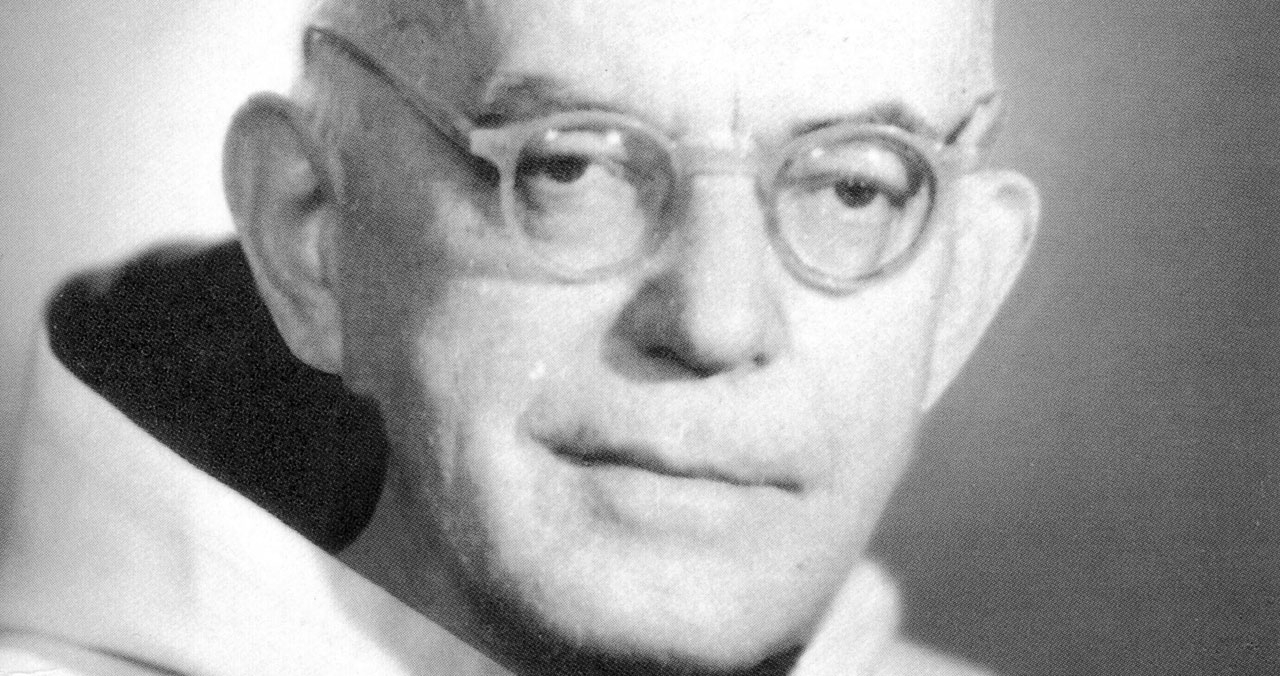
Rosa Ojeda y Creus was born in Vilanova i la Geltrú on August 30, 1871 into a poor family. In 1877, following the death of her parents, she and her two siblings were taken in by their maternal grandparents, who encouraged their grandchildren to study at school. Rosa loved music and singing, she was also very good at sewing and embroidering, tasks that she would never give up in her life. When her grandfather fell ill, she took care of him until his death. This dedication to the sick did not stop there, together with other girls of the city, she offered her help to the Vilanova i la Geltrú hospital run by the Josephine Sisters of Charity.

It was the beginning of a vocation that she held within herself. In September 1893, freed from family commitments, she took the train to Vic, where the mother house of the Josephine Sisters of Charity was located. There, she dedicated herself to caring for the sick at home. On May 5, 1895, she took religious vows and changed her name to Sister Rosa Ojeda of St. Joseph; she was appointed mistress of novices and private secretary to Sister Dolorès Campolier, the Superior General; with the government of the latter, divergences arose within the Institute between the followers of the Superior General and others opposed to her.

Sister Rosa did not like this atmosphere; with another sister, she asked for an audience with Bishop Morgades i Gili, Bishop of Barcelona, whom they knew when he was Bishop of Vic. He comforted them and authorized them to separate from the Josephine Sisters to found a new religious institute, so the Carmelites of St. Joseph were born on October 10, 1900.

In 1905 the constitutions of the Congregation were approved and in 1911, Rosa and other sisters made perpetual vows; the following year she was elected Superior General, a position she held until her death. In 1915 she came to Rubí and founded the school now called Regina Carmeli, to educate the children of working mothers who could not take care of their children. In the contrasting periods of the time (the Tragic Week, Second Spanish Republic, Civil War) she managed to maintain the spirit of the Congregation, consolidating its work. It was protected by hiding in the homes of the citizens of the city of Rubí.

Mother Rosa died on May 15, 1954.

In 1975, the diocesan process of beatification and canonization for the recognition of heroic virtues was opened, which ended in 1985.

On 3rd of July 1998 she was proclaimed Venerable.


Related Posts

Accordion Menu

Newsletter Subscribe